St. Petersburg Man Charged With Robbing Two Banks in an ‘Old Man’ Mask
David Sartin Jr., 40, was on supervised release for a string of Texas bank robberies in the same disguise, according to an FBI affidavit.
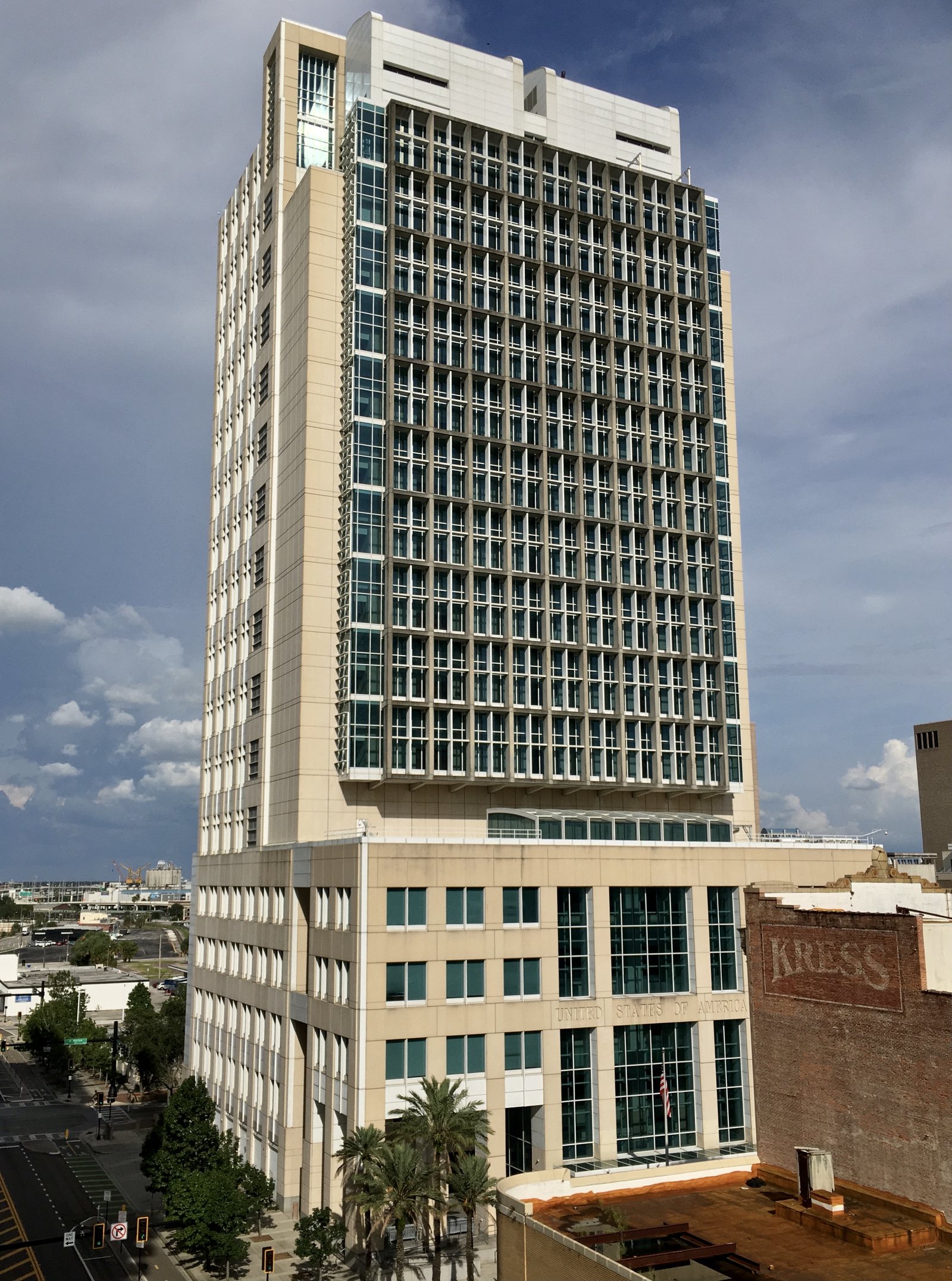
A St. Petersburg man who went to federal prison over five Texas bank robberies committed in an “old man” mask has been charged with robbing two Florida banks in the same kind of disguise, just over a year after he was released.
David Sartin Jr., 40, faces two counts of bank robbery, each carrying up to 20 years in federal prison, the U.S. Attorney’s Office for the Middle District of Florida said on Oct. 16, 2026. The charges were filed in a criminal complaint in Tampa two days earlier.
The allegations have not been proven in court.
Two robberies, three weeks apart
The first robbery was at a Valley Bank branch on East Bay Drive in Largo on Aug. 24, 2026, according to an FBI agent’s sworn affidavit filed with the complaint. A man in a straw hat, a sports jacket, gloves and a prosthetic face covering walked up to a teller and demanded all the money, adding “no dye packs.” He left with $2,900, wedging a yellow wet-floor sign between the doors on his way out, and rode off on a bicycle, the affidavit says.
The second was at a Truist Bank on Central Avenue in St. Petersburg on Sept. 15, 2026. This time the robber wore a flat cap, dark-framed glasses and an old man mask with a grey mustache and whiskers. He passed the teller a note that said something like “Cash, no dye,” according to the affidavit, and left with about $2,554.
How investigators say they found him
Investigators followed the getaway vehicle. Shortly before the Largo robbery, prosecutors say, Sartin arrived at a nearby gas station in a black 2007 Toyota FJ Cruiser, drove around the area, parked and switched to the bicycle. License plate cameras captured an SUV that appears to be the same one, the affidavit says.
The vehicle had once been registered to Sartin and was later put in his father’s name, the agent wrote. A speeding ticket issued in Nassau County, Florida, on July 26, 2026, listed Sartin as the driver. His probation officer told the FBI he often stayed at a home in St. Petersburg, and cameras caught the SUV turning onto that street, seven houses away, after the first robbery.
Surveillance of that home showed the SUV leaving before the second robbery and coming back after it, prosecutors said, and a man resembling Sartin unloading a bicycle. The next day, investigators watched him spray-paint the SUV’s white roof black.
What the searches turned up
Sartin was arrested on Sept. 19, 2026, on a separate warrant for violating his supervised release. That warrant said he had left the Middle District of Florida without permission and had been arrested for theft at a Walmart in Lake City, South Carolina, on Sept. 1, 2026.
In a storage unit, agents found an old man mask with grey facial hair, dark-framed glasses, work gloves with black paint on them, a fake handgun and clothing matching the second robbery, according to prosecutors. At another home where he sometimes stayed, they found a journal dated “Jan 1, 2021” with the title “God’s Best friend is a Bank Robber!”
The same disguise before
Sartin’s record goes back to 2006, according to the affidavit. That year, he and two others tried to rob a bank in Stonewall, Mississippi, and he wore a Halloween mask. They left with no money. He pleaded guilty to attempted bank robbery in 2008 and was sentenced to 38 months.
In 2016, the FBI in San Antonio arrested him for five bank robberies in Texas in which he wore an “old man” mask. He was sentenced in February 2018 to 121 months in federal prison and began supervised release on May 16, 2025. Prosecutors say he used the same SUV in those robberies.
What happens next
A criminal complaint is the first step in a federal case. Felony charges then go to a grand jury for an indictment unless the defendant waives it. Assistant U.S. Attorney Belkis H. Callaos is prosecuting the case, which the FBI and the Largo and St. Petersburg police departments investigated.
Related: three people charged in Tampa over more than $2 million in Treasury checks taken from the mail.