Jamaican Man Gets 3 Years for Role in Sweepstakes Scam That Told Elderly Victims to Pay First
Elderly victims were told they had won a sweepstakes and had to pay taxes and fees first. Alando Gentles, who took part from Jamaica, got 36 months.
The calls and letters brought good news. Elderly people were told they had won a sweepstakes. Then came the catch: before they could collect, they had to pay taxes and fees.
There was no prize, federal prosecutors say. One of the people behind those calls, Alando Gentles, 43, of Jamaica, has been sentenced to three years in federal prison for wire fraud conspiracy, the U.S. Attorney’s Office for the District of South Carolina announced on Oct. 7, 2026. He was also ordered to pay $349,433.75 in restitution to the victims of his crime.
How the scheme worked
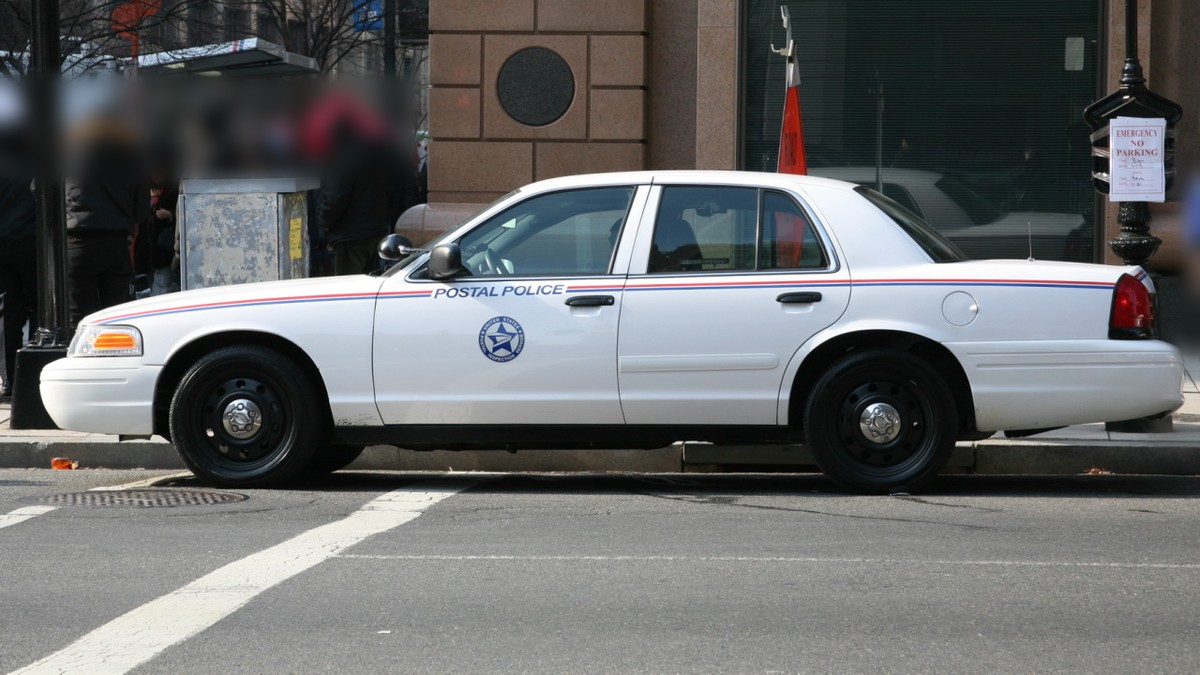
Investigators from Homeland Security Investigations and the U.S. Postal Inspection Service traced the operation to people in Myrtle Beach. Prosecutors called it a “cash award/lottery telemarketing scam” with connections inside the United States and abroad.
It ran from around June 2015 until around May 2022. Over those nearly seven years, the scheme as a whole involved at least 115 victims, according to prosecutors.
As prosecutors describe it, the pitch followed a pattern. Gentles and his co-conspirators contacted elderly people by phone and mail, falsely told them they had won, and said taxes and fees had to be paid first.
Victims paid those fees in many forms, prosecutors said: prepaid cards, Postal Service and bank money orders, cash or personal checks sent by mail, deposits into co-conspirators’ bank accounts and wire transfers.
His part, from Jamaica
Gentles took part in the scheme from Jamaica, prosecutors said. Besides calling victims, he received wire transfers of the scheme’s money there and made ATM withdrawals in Jamaica from an account holding the scheme’s funds.
After he was indicted, he was extradited to face charges in the United States. The Gleaner reported on Oct. 18, 2024, that Gentles had been sent to the United States the day before and handed over to authorities in South Carolina to face mail fraud, wire fraud and conspiracy charges, citing a U.S. official.
Eric Shen, inspector in charge of the Postal Inspection Service’s Criminal Investigation Group, told the newspaper that Gentles was the fifth Jamaican extradited to the U.S. that year on lottery scam charges.
Three years, then supervision
Chief U.S. District Judge Sherri A. Lydon sentenced Gentles to 36 months in prison, followed by three years of court-ordered supervision. There is no parole in the federal system.
Some questions remain open. The prosecutors’ announcement does not say whether Gentles pleaded guilty or was convicted at trial, or how much of the restitution has been paid. Assistant U.S. Attorney Lauren Hummel prosecuted the case.
The red flag: paying to get a prize
That request to pay first is the warning sign the Federal Trade Commission highlights. “Real prizes are free,” the FTC says in its guidance on prize scams. It tells people not to pay a fee for “taxes,” processing or shipping to receive a prize.
Real winnings can still be taxed. But a legitimate prize should not depend on sending money to the person who says you won.
Anyone who has been targeted can report it to the FTC at ReportFraud.ftc.gov. Older adults and their families can also call the Justice Department’s National Elder Fraud Hotline at 833-FRAUD-11 (833-372-8311), Monday through Friday from 10 a.m. to 6 p.m. Eastern time, according to the Office for Victims of Crime.